
Journal · Topic · 12 articles
Ageing and how faces are read
What actually changes as a face ages, why it can look tired, angry or older than you feel, and why the mirror and the camera disagree.
Foundations
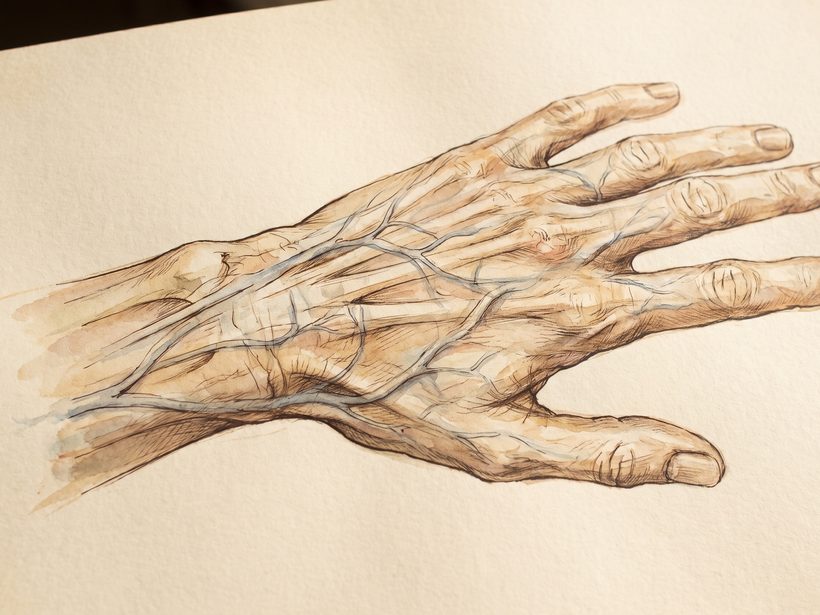
Why hands look older than the face, and what can and cannot be done about it
What makes the back of the hand read as older, why sun and thin skin show there first, what sunscreen, retinoids, pigment treatments and hand filler have in the evidence, and which hand changes need a doctor.
Read →
Foundations
Better in the mirror than in photos? Why, and is my face asymmetrical?
Why the mirror face feels like yours and photos feel off, what a close-up lens adds, why every face is a little uneven, and the few changes worth a doctor's look.
Read →
Foundations
Why does everyone look the same now? Filler fatigue and the Instagram face
One reference picture on every feed, a pull towards the average, and an eye that adapts to what it sees most. Why faces converge, why an overdone face can look normal to its owner, whether filler fatigue is real, and what a restrained plan looks like.
Read →Foundations
Why do I look older than my age? What people actually read as age
People read age from a short list of visible cues: uneven colour, lines, lost firmness and volume, and tired-looking eyes. What the research found, why pigment weighs heavily in Asian skin, what widens the gap between real and perceived age, and which causes can change.
Read →
Foundations
Why do I look angry or tired when my face is relaxed?
A relaxed face can read as angry, sad or tired because people read emotion from where the brow, lids and mouth sit. What the experiments on a neutral face show, what changes when the frown muscle is relaxed, and which causes belong to a skin clinic, an eye surgeon or a doctor.
Read →Foundations
Muscle loss after 30: why it happens, and what keeps it
Muscle thins slowly from about 30 and faster after 60. Strength work slows it at any age, protein supports it, and on semaglutide (Ozempic, Wegovy) or tirzepatide (Mounjaro) both matter more.
Read →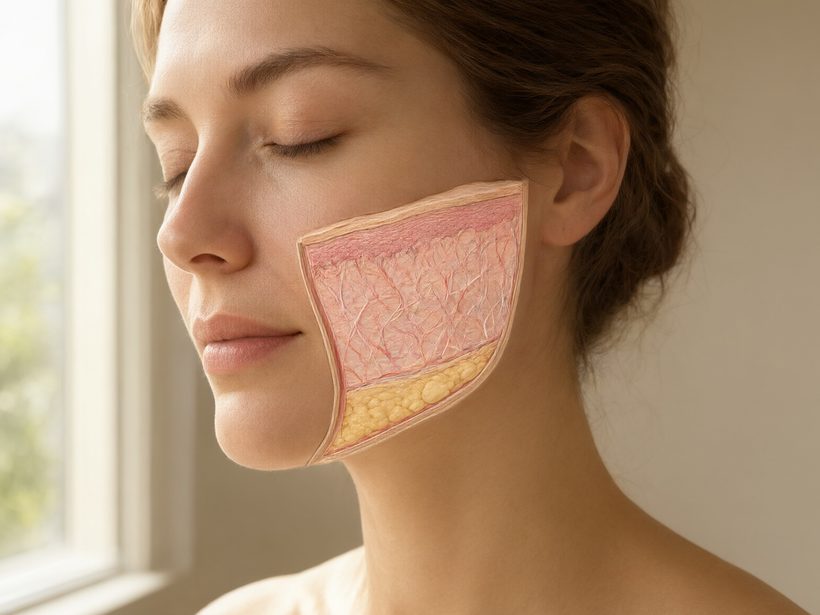
Foundations
Menopause and skin: what changes, and what actually helps
Skin and hair change around menopause as well as sleep and mood. What changes, which parts have evidence, where the evidence is limited, and what belongs with your own doctor.
Read →
The Consulting Room
Expectations and satisfaction: what the surgical studies show
In studies of facial cosmetic surgery, people who expected more were more often unhappy with the result. What that association shows, and what it does not.
Read →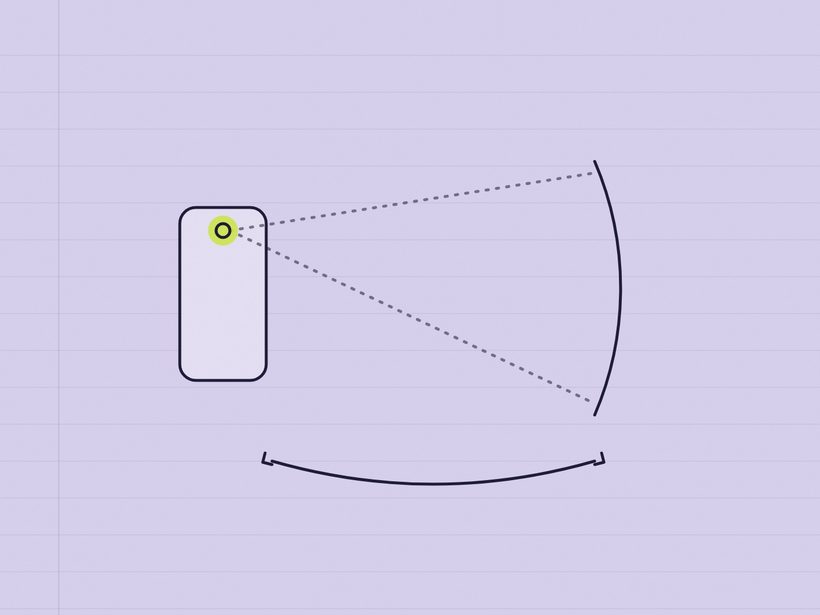
Foundations
Your selfie is not your face: why it can make your nose look wider
What a geometric model and two photo studies measured, how sure the evidence is, and how to take a fairer photo.
Read →
Foundations
There is no anti-ageing treatment, just specific findings
Anti-ageing is a shopping category, not a diagnosis. What an assessment actually finds, names and treats on a face.
Read →
Foundations
The word 'natural' is making faces look worse
When 'natural' becomes the selling point, dosing discipline is usually what gets quietly dropped.
Read →
The Consulting Room
On wanting to look like someone else
What happens in a consultation when a patient wants to look like someone else. Why the reference rarely fits.
Read →
