
What are stretch marks, and why do they form?
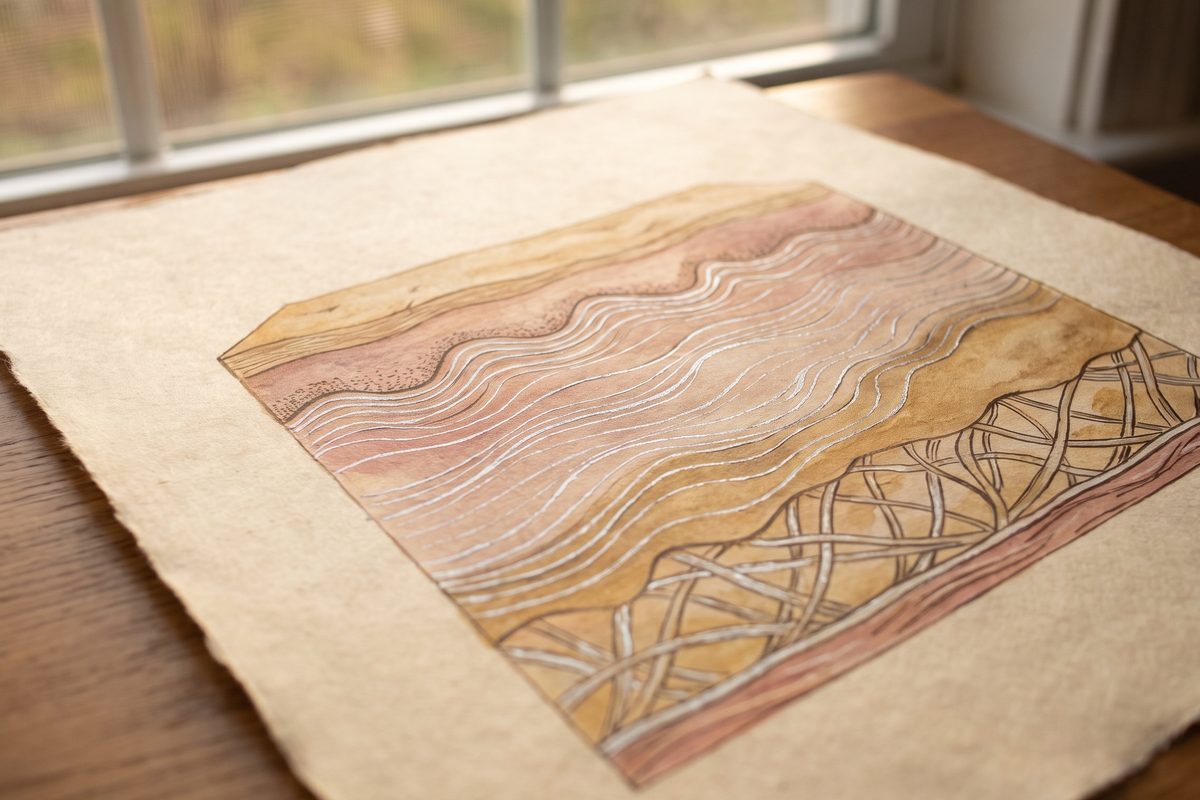
A stretch mark (the medical term is striae distensae) is a scar in the dermis, the deeper layer of the skin that gives it strength and elasticity. A 2014 review calls them a common and therapeutically challenging form of dermal scarring. They appear when the skin is stretched quickly, in pregnancy, puberty, weight change, and with some medicines.
The proposed causes are hormones, physical stretch and structural change in the skin. The NHS lists pregnancy, puberty, rapid weight change, a family tendency and steroid medicines as common causes. Being prone to them runs in families, so having them says little about how carefully you looked after your skin.
Do they go away on their own?
They fade, but they do not disappear. The NHS describes marks that begin pink, red, brown, black or purple and usually fade to silvery or pale over time. A 2017 review calls them permanent dermal lesions.
That fading is the honest baseline against which any treatment has to be judged. A fresh, red or purple mark and an old, pale one are the same scar at different stages, and they are treated with different aims.
Do stretch mark creams and oils work?
Mostly there is little evidence that they do. The NHS says most over-the-counter creams lack evidence of effectiveness. A 2014 review in the British Journal of Dermatology found that topical agents appear to lack efficacy in preventing stretch marks, and that few high-level randomised trials exist.
That is a statement about evidence, and it does not say that a moisturiser does harm. Keeping skin comfortable and relieving itch is reasonable. The reviews do not support a claim that a cream will stop marks forming, and this article makes none.
A prescription retinoid cream, a vitamin A derivative such as tretinoin, is one of the options the NHS names for improving appearance. It is a medicine, it needs a doctor’s advice, and the NHS says retinoid creams should be avoided in pregnancy because of possible harm to the baby. Anyone who is pregnant, or planning to be, should not start one.
Do lasers help stretch marks?
Some lasers can improve the look of a mark, and none removes it. Energy-based devices are the most studied approach: a 2024 systematic review of 151 studies counted 4,806 treatment outcomes, and 56 percent of them were energy devices. Even so, the best complete-response figures in that review were small, from 4 percent to 7 percent for the larger groups, and the authors concluded that the wide variety of treatments probably reflects a lack of effective ones.
A 2017 review explains why different marks need different approaches. Vascular lasers can reduce redness in red marks because they target haemoglobin, the pigment in blood. For old white marks the focus is on raising skin pigment and stimulating collagen. It also says the evidence is low in quality, with small studies and possible publication bias.
A laser is not a neutral choice on Asian skin. Heat that inflames richly pigmented skin can leave a darker patch behind, called post-inflammatory hyperpigmentation, and the mark you treated can end up more noticeable. How this plays out is set out in pigment laser side effects on Asian skin. Ask which device and settings would be used on your skin type, and what the plan is if a dark patch appears.
Does microneedling work for stretch marks?
The evidence is early and shows some improvement. A 2024 meta-analysis pooled 11 studies, six of them randomised. Microneedling combined with radiofrequency showed a clinical improvement difference, and microneedling and lasers produced about the same result. Darker patches after treatment were less obvious with microneedling than with other treatments, and it caused more pain than laser. The authors call their findings initial evidence.
The Retreat Clinic does not offer microneedling, with or without radiofrequency, and it does not offer fractional CO2 laser. This section is education about what has been studied, and no suggestion that these are on the menu.
Can anything prevent stretch marks?
No cream or oil has been shown to prevent them. The 2014 review found that topical agents appear to lack efficacy in prevention. The NHS says the best way to reduce the chance is to maintain a healthy weight, since rapid change is one of the causes. Their appearance does not mean something was done wrong.
When should stretch marks be checked by a doctor?
Most stretch marks are a cosmetic matter. The NHS advises seeing a GP if large stretch marks come with an unusual pattern of fat, such as slim arms and legs with a fuller chest and neck, and a rounded face, because these can point to a hormone condition called Cushing’s syndrome.
Do red and white stretch marks need different treatment?
Yes, because they are at different stages. A red or purple mark is newer and still has blood vessels showing through, and a white or silvery one is older and has lost pigment. The 2017 review links each kind of treatment to what is happening in the scar: vascular lasers for the redness, and methods that raise pigment or stimulate collagen for the pale marks.
The practical point is that timing and type shape what is worth trying. A treatment that suits a red mark may do little for a white one, and the reverse, so a plan that treats every mark the same way is a reason to ask questions.
How do I judge a stretch mark promise?
Look at what is being measured. In the 2024 systematic review, the treatments were reported in widely different ways, and the best complete-response figures came from small groups: 13 outcomes for platelet-rich plasma in red marks, for example. A large percentage from a small group tells you little. The reviews also flag low-quality evidence, small samples and varied methods.
Useful questions before any treatment are these. Which type of mark is it, and how old? What has been shown in people with my skin type? What is the risk of a darker patch, and what happens then? How many sessions, and how will we judge whether it worked? An honest answer includes the words improve and fade, and leaves out remove and erase.
Where does the clinic come in?
The clinic lists stretch marks among the concerns it assesses, and the first step there is the same as for any texture problem: looking at the type, the age and the colour of the marks, and at your skin type. Whether a treatment is worth doing at all is part of that conversation, and sometimes the answer is to wait and let the marks fade. For scars that sit in the same family of problem, acne scar and pore treatment explains how texture is approached. Where loose skin is the bigger concern, loose skin after weight loss and where radiofrequency fits among the roads to collagen cover what devices can and cannot do.
Stretch marks improve in colour and, with some treatments, in texture. They are not erased, and any plan that says otherwise deserves a second question.