
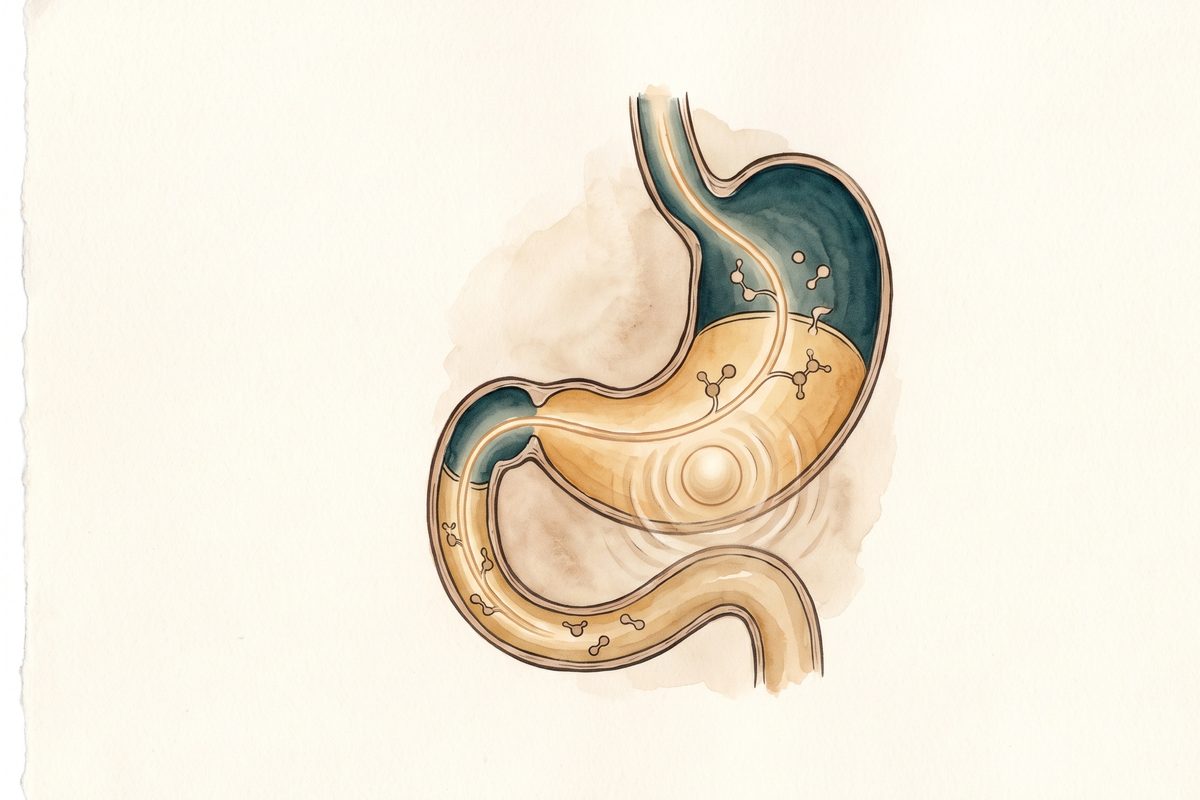
What do GLP-1 and GIP and GLP-1 medicines do that matters for a fast?
Semaglutide (sold as Ozempic and Wegovy) and tirzepatide (sold as Mounjaro) slow the emptying of the stomach and lower appetite. They also cause nausea, vomiting and diarrhoea in some people, mostly while the dose is being raised. The Malaysian label for tirzepatide warns that these effects may lead to dehydration and, in turn, to worse kidney function, and singles out older people. All of these are prescription-only medicines used after a full evaluation, as the explainer on tirzepatide sets out.
A fast adds hours without fluid. Depending on the place and the season, a Ramadan fast can last 11 to 19 hours, and heat and long daylight raise the risk of dehydration. A medicine that can cause fluid loss and a fast that removes fluid intake for the day are the pairing that needs planning.
What does diabetes guidance say, and how far does it reach?
The IDF-DAR Diabetes and Ramadan Practical Guidelines 2021 are the main reference. They note that GLP-1 receptor agonists work in a glucose-dependent way and generally carry a low risk of hypoglycaemia, and that no dose change is needed after appropriate dose titration has been completed. The evidence grade is Level 2, Grade B for exenatide, liraglutide and lixisenatide, and the lowest grade, D, for the other GLP-1 medicines. Tirzepatide is not named in that table.
The main fasting trial is LIRA-Ramadan, which randomised adults with type 2 diabetes, at least 10 weeks before Ramadan, to liraglutide or a sulphonylurea, each with metformin. Documented symptomatic hypoglycaemia occurred in 2% (3 people) on liraglutide and 11% (18 people) on the sulphonylurea, with no severe episodes in either group. The trial was sponsored by the manufacturer, and it used a daily medicine, not a weekly one.
For people without diabetes, a 2023 narrative review found few studies and advised caution in extrapolating, noting that people without diabetes may have a higher risk of hypoglycaemia. The Wegovy label records hypoglycaemia in adults without type 2 diabetes, though the weight trials did not capture it systematically. That is the thin part, and it is stated here so it is not mistaken for reassurance.
When is low blood sugar a concern on these medicines?
Mainly when a GLP-1 or GIP and GLP-1 medicine is combined with insulin or a sulfonylurea. The IDF-DAR guidance describes modern sulphonylureas as carrying a slightly higher risk of hypoglycaemia, and the Malaysian tirzepatide label says the dose of a sulphonylurea or insulin may be reduced to lower that risk. Those adjustments belong to the doctor managing the diabetes.
For someone who takes no glucose-lowering medicine, hypoglycaemia is not expected to be common, but the label evidence above shows it is not excluded. Shakiness, sweating, confusion or a racing heart in the fasting hours are signs to act on, not to push through.
Why are dose steps usually not started or raised near Ramadan?
Because the digestive effects cluster around dose increases. Malaysian label rules allow a dose step only after at least 4 weeks on the current dose. The IDF-DAR guidance advises no dose change once titration is complete, a clinician summary of it advises titration 6 weeks before Ramadan, the LIRA-Ramadan authors advise finishing escalation at least 6 to 8 weeks before, and the 2023 review says at least four weeks. The sources differ in number and agree in direction: arrive at Ramadan on a steady dose.
The other side matters too. A 2026 case report described a woman admitted for four days with vomiting, diarrhoea and electrolyte disturbance after restarting semaglutide 2.4 mg following a five-week break during Ramadan. It is one case and gives no rate. It does show why stopping alone and restarting at full dose is a question for the prescriber. The article on weight-loss injection side effects covers what to expect from the medicine itself.
Does the day of the weekly injection matter?
The Malaysian tirzepatide label allows the weekly dose at any time of day, with or without meals, so the dose is not tied to sunrise or sunset. The weekday can be changed if at least 3 days separate two doses, and a missed dose can be taken within 4 days. Which weekday sits best within the fasting week is a practical question for the prescriber.
How do sahur and iftar work with a small appetite?
A medicine that lowers appetite makes it easy to eat too little in the two windows available. Practical diabetes guidance suggests dividing the day's calories between the pre-dawn meal and the evening meal, with balanced, high-fibre, low glycaemic index food. With a small appetite, the same idea means smaller portions that still include protein, fluids spread across the evening and the pre-dawn meal, and avoiding a very large iftar, which a slowed stomach may handle poorly.
Protein matters more than usual during weight loss, because part of the weight lost is lean mass. The piece on muscle loss after 30 explains why. A dietitian is the right person to plan Ramadan meals around a reduced appetite.
When should the fast be broken?
For people with diabetes who monitor glucose, the IDF-DAR criteria, as summarised for clinicians, are a reading below 3.9 mmol/L, a reading above 16.7 mmol/L, a reading of 3.9 to 5.0 mmol/L that is re-checked within one hour, and symptoms of low blood sugar or acute illness.
For everyone on these medicines, the label-based warning signs are persistent vomiting or diarrhoea, signs of dehydration such as very dark urine, marked thirst or dizziness, fainting, and severe abdominal pain that will not go away, which can signal pancreatitis and is a reason to stop the medicine and seek care. Whether a medicine or an injection affects the fast is a religious question, and this page leaves it to a religious authority.
What should be arranged before Ramadan?
The IDF-DAR guidance puts a pre-Ramadan assessment ideally 6 to 8 weeks before the start, and a review afterwards, repeated every year because fasting safely one year does not guarantee the next. For a GLP-1 medicine the questions are the dose and whether it is steady, any insulin or sulfonylurea that needs adjusting, hydration and meal planning, and what to do about a missed dose. At this clinic GLP-1 medicines are used only after a full assessment with regular follow-up, within medical weight management, and the piece on what a doctor checks before prescribing sets out that assessment.
Medicines for this purpose should come through a prescription, as the article on getting GLP-1 medicines legally in Malaysia explains. Online and unsupervised sources cannot provide the review that a fasting plan depends on.
The honest complication
The fasting trial cited here used liraglutide, a daily medicine, in people with diabetes. Data for weekly semaglutide and for tirzepatide during fasting are thinner, and for weight-only use thinner again. The guidance is a reason to plan and makes no promise that any one person will fast without trouble. A person who is unwell, who has diabetes on insulin, who is pregnant or who has kidney or digestive disease needs an individual plan from their doctor first.

