
What are the most common side effects of weight-loss injections?
Digestive ones, and by a wide margin. The US prescribing information for a once-weekly medicine of this class, drawn from its adult weight-management trials, lists nausea in 44% of people on treatment against 16% on placebo, diarrhoea in 30% against 16%, vomiting in 24% against 6%, and constipation in 24% against 11%. Fatigue was reported by 11% against 5%, and reflux by 5% against 3%.
The dual-agonist class looks similar. In the prescribing information for a once-weekly dual GIP and GLP-1 agonist, nausea ran from 25 to 29% across three doses against 8% on placebo, diarrhoea 19 to 23% against 8%, and vomiting 8 to 13% against 2%. Overall, 56% of people on the dual agonist reported a digestive reaction, compared with 30% on placebo.
These are trial figures under trial conditions, so they describe a range and not a forecast for any one person. They also show something reassuring. In a 68-week trial of one medicine in this class, the New England Journal of Medicine report describes nausea and diarrhoea as typically transient, mild to moderate and subsiding with time. Even so, 4.5% of people on treatment stopped because of digestive events, against 0.8% on placebo. For some people it is not a small thing.
Why does the medicine make me feel sick, and how long does it last?
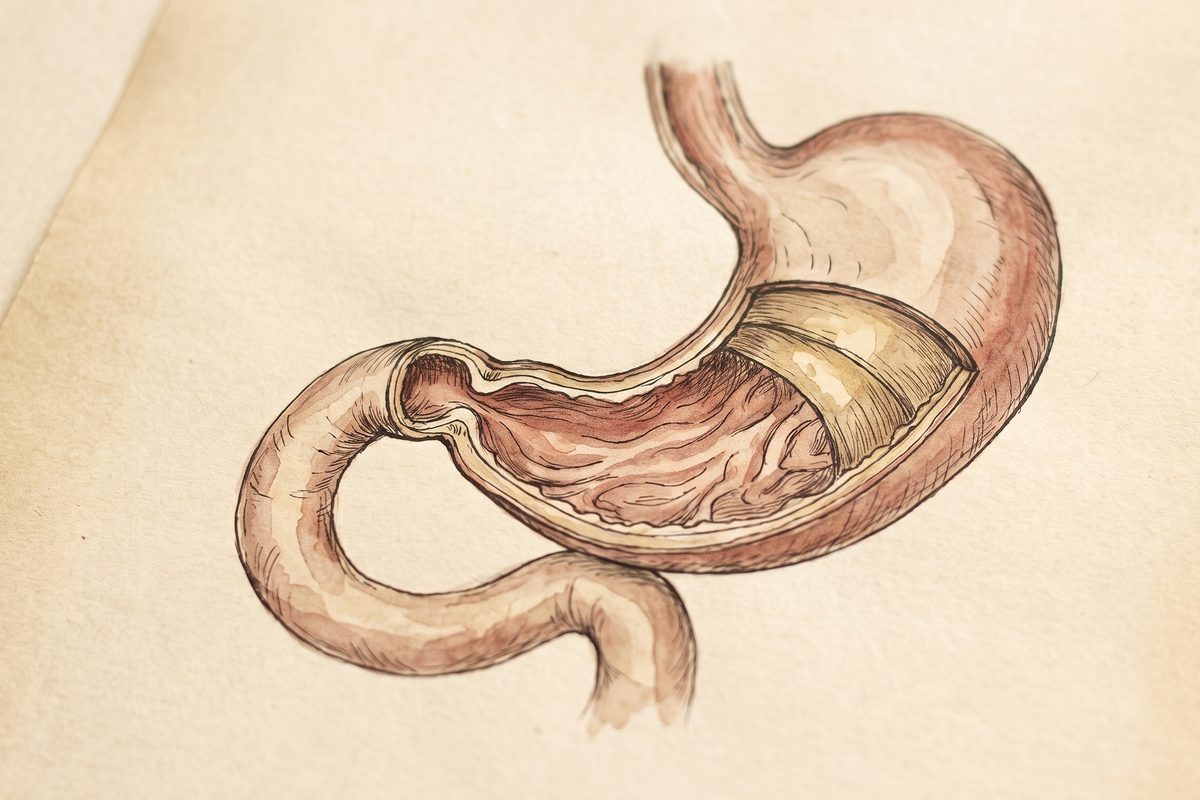
These medicines mimic a gut hormone that signals fullness. They act on appetite centres in the brain and they slow the rate at which the stomach empties. Slower emptying is part of why smaller meals satisfy. It is also why food can sit heavily, and why nausea, bloating and reflux follow when the stomach is fuller for longer than it is used to.
The timing follows the dose. In a 72-week trial of one dual agonist, the most common adverse events were digestive and occurred primarily during a 20-week dose-escalation period. The US prescribing information for that medicine says the majority of nausea, vomiting and diarrhoea events occurred during dose escalation and decreased over time. The practical reading is that the weeks after a dose is raised are the likeliest to be uncomfortable.
How are these side effects reduced, and what is done if they happen?
The main tool is the pace of the dose. The dual-agonist schedule starts low and raises the dose in steps after at least four weeks. The label for the other medicine notes that escalation can be prolonged, or the patient can stay at a lower dose, if a step is not tolerated. A supervised plan, such as medical weight management at The Retreat Clinic, should follow the same principle: the dose goes up at a pace the body tolerates, and side effects are raised early rather than endured.
Eating pattern is the second lever. Smaller meals, eating slowly and stopping at the first sign of fullness all give a slower stomach less to handle. For constipation, fluids, fibre and movement come first, and it is worth mentioning early if it persists. Fatigue is a reason to look at how much is actually being eaten and drunk.
Vomiting and diarrhoea carry one specific risk. The prescribing information reports acute kidney injury, in some cases needing dialysis, after dehydration from these symptoms. If you cannot keep fluids down, or you are dizzy and passing very little urine, get medical help that day.
Can weight-loss injections cause gallbladder problems?
They can. A systematic review in JAMA Internal Medicine pooled 76 randomised trials and 103,371 patients, and found a relative risk of gallbladder or biliary disease of 1.37 with this class overall, and 2.29 in the trials done for weight loss. The risk was higher at higher doses and with longer use. The prescribing information gives the absolute figures for one medicine: gallstones in 1.6% against 0.7% on placebo, and gallbladder inflammation in 0.6% against 0.2%.
Part of the reason is the weight loss itself, since substantial or rapid loss makes gallstones more likely, though the label says the excess remained after accounting for the amount lost. Pain in the upper abdomen, particularly after eating, or pain with fever or yellowing of the skin or eyes, needs to be seen promptly.
How serious is pancreatitis, and what are the warning signs?
Pancreatitis is rare and serious. In the adult weight trials in the US prescribing information, acute pancreatitis was confirmed in 4 treated patients, 0.2 cases per 100 patient years, against 1 on placebo, under 0.1 per 100 patient years. Those are small counts, and it is still a labelled warning.
The sign is persistent or severe abdominal pain, sometimes spreading to the back, which may or may not come with nausea or vomiting. It does not behave like ordinary post-dose queasiness. The label says to stop the medicine if pancreatitis is suspected. This is an urgent-care symptom, and it should not wait for a scheduled review.
Will I lose muscle as well as fat?
Some lean mass is lost with any substantial weight loss, and this class is no exception. A systematic review of three trials in 171 adults with obesity found that lean mass fell about 0.8 kg more than in controls, alongside about 3.4 kg more fat lost. That is a small evidence base, and lean mass includes muscle without being the same thing. The direction is clear enough to act on.
The medicine does not protect muscle on its own. What helps is what the review authors advise: nutritional support and physical activity alongside treatment, which in practice means enough protein and some form of resistance training. The prescribing doctor can say what suits you.
What about the face and the skin?
Fat is lost from the face as well as the body, and quickly. What that does around the eyes is covered in the face after fast weight loss, and what devices can and cannot do for loose skin is in loose skin after weight loss. Both are better understood before starting than after.
Can these injections cause low blood sugar?
Mainly when they are combined with other diabetes medicines. The prescribing information says the risk of hypoglycaemia is increased with insulin or an insulin secretagogue such as a sulfonylurea, and that those doses may need reducing when the injection starts. In a weight trial in people with type 2 diabetes, 6% on treatment reported hypoglycaemia against 2% on placebo. If you take any diabetes medicine, say so at the first visit.
Who should not take weight-loss injections?
Two groups are ruled out by the product information. The first is anyone with a personal or family history of medullary thyroid cancer, or with multiple endocrine neoplasia type 2. Both prescribing labels carry a boxed warning, because these medicines caused thyroid C-cell tumours in rodents and the relevance to humans has not been determined. A lump in the neck, hoarseness, or trouble swallowing or breathing should be reported. The second group is pregnancy: the labels say the medicine may cause fetal harm and should be stopped when pregnancy is recognised, and one advises stopping at least two months before a planned pregnancy. The label for the once-weekly medicine also does not recommend it in severe gastroparesis, a condition in which the stomach already empties very slowly.
At The Retreat Clinic these are prescription-only medicines, used after a full assessment of history, examination and usually blood tests. They are not used in pregnancy, while planning a pregnancy or while breastfeeding, and a history of disordered eating calls for a more careful conversation first. What happens once the injections stop is covered in rebound weight after stopping.
The short version
Expect stomach symptoms around each dose step, and plan food and fluids around them. Treat abdominal pain that is severe, persistent or spreading to the back as urgent. Protect muscle with protein and strength work. Say what other medicines you take. Ask the prescribing doctor how the dose will step up and what to do if it does not settle.