
What side effects can eyebrow and lip embroidery cause?
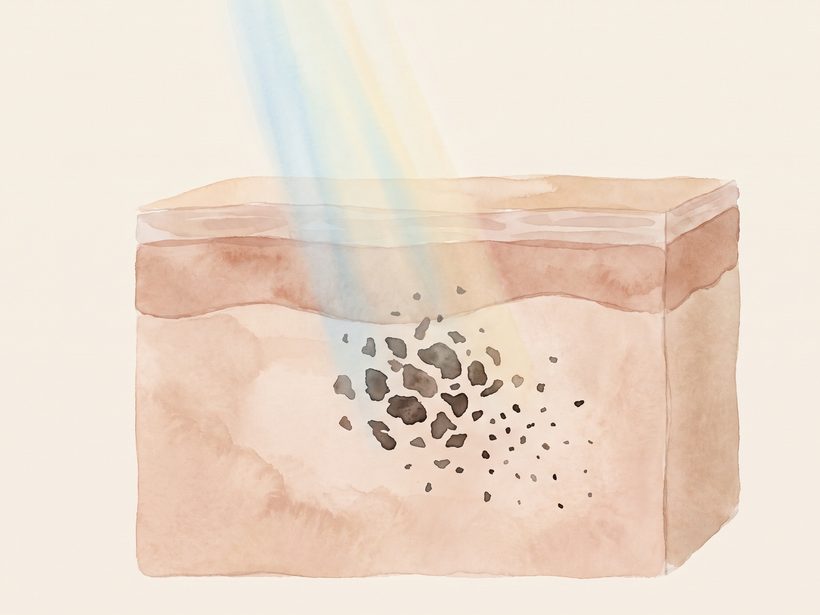
Embroidery, sulam kening in Malay and microblading in its hand-drawn form, uses fine blades or needles to place pigment in the upper layers of the dermis. A tattoo is a wound that is meant to hold ink, so the risks sit in three places: the wound, the pigment and the tools.
Redness, swelling, tenderness and scabbing for some days are part of normal healing. Beyond that, the US FDA and dermatology sources describe infection, allergic reaction, granulomas, keloids and reports of trouble during MRI. None of this is common, and most people heal well. It is the kind of risk that is small for each person and still worth knowing before the first mark.
How does infection happen, and how serious can it be?
Skin bacteria such as staph can enter the open skin during or after the procedure and cause redness, warmth, pus and pain. A mild one is treated with antibiotics. A deeper one needs more. The FDA also notes that contaminated pigment can cause infection even when the person doing the work follows hygienic procedure, so a clean room reduces the risk but cannot remove it.
Blood-borne infection is the more serious worry. Reused or poorly sterilised needles and tools can pass on hepatitis and HIV, and dermatology advice links unsanitary settings to hepatitis B and syphilis. This is the reason a new, sealed single-use needle matters more than any other detail. Lips add one more point: a person who gets cold sores can have one triggered by lip work, which is worth saying beforehand. The infections of the skin that look like a spreading rash are described in the article on cellulitis.
Can the pigment cause an allergy, lumps or keloids?
Yes. Allergic reactions to tattoo pigment are described as uncommon, but they can appear in a tattoo that has been in place for years, and they are hard to settle because the pigment cannot simply be taken out. A person who reacted to hair dye or to black henna may have a reason to be more careful, because the same chemical, p-phenylenediamine, can be involved; the article on black henna and PPD explains it.
Granulomas are small nodules that form where the body treats pigment as foreign. They can look like firm bumps in the brow or lip and need a doctor to tell them from other causes. People who scar thickly, with keloids after piercings or acne, can scar the same way after embroidery; keloid-prone skin and procedures sets out the risk. The honest complication is that none of these can be predicted from a look at the skin, and a patch test on a hidden area helps only a little.
Does the colour change, and what about MRI?
Cosmetic pigment is often a mix of several shades and can look different as it ages and as the skin renews. Brow colour that was chosen as brown can drift towards grey, blue or red in some people. This is a recognised pattern in the dermatology literature on cosmetic tattoos, and it is one reason removal can be harder than people expect. How removal behaves is set out in the laser tattoo and eyebrow embroidery removal article, and this article does not repeat it.
The FDA records rare reports of swelling or burning in tattooed skin during MRI, apparently without lasting effect, and some blurring of images when the pigment is eyeliner and the scan is of the eyes. It advises telling the radiographer rather than skipping a scan a doctor has recommended. Fillers and anti-wrinkle injections given later can also change how the shape of a brow or lip line looks.
How do you check who does it in Malaysia?
Embroidery is offered by beauty salons and individual artists, and no Malaysian rule specific to it was found while preparing this article. The Ministry of Health has been clear in recent years that medical procedures belong to registered doctors; the guide to how aesthetic clinics are regulated sets out where that line sits. Whether a given salon needs a particular permit is worth asking the local council, and the answer should not be assumed.
The checks that do not depend on a legal reading are practical ones:
- Ask to see the business licence for the premises, and who will do the procedure.
- Ask for a new, sealed needle or blade opened in front of you, and for fresh gloves.
- Ask to see the pigment label: the maker, the colour and the batch. A reputable artist records them.
- Look at the room: wiped surfaces, a clean tray, tools that are not shared between clients.
- Ask what is used for numbing. Numbing creams and injections are medicines.
- Say if you have allergies, keloids, cold sores, a skin condition or an infection, and expect to be asked.
Someone who will not answer these questions has answered them.
When is it urgent?
Seek care the same day for redness that spreads, heat, pus, fever or feeling unwell after embroidery. Pain, swelling or redness that reaches the eye, a change in vision, or any procedure near the lid margin needs prompt attention. A lump, itch or swelling that appears weeks or years later is worth a visit. Bring the pigment details if you have them. This is general information and not a diagnosis.
What The Retreat Clinic does and does not offer
The clinic does not do eyebrow or lip embroidery and does not supply the pigment. Its PicoSure picosecond laser service treats selected tattoos after assessment, case by case, and that page does not mention eyebrow embroidery. Whether any removal suits a person is decided at a consultation.
Common questions
What are the side effects of eyebrow embroidery?
Short term, redness, swelling, tenderness and scabbing are expected as the skin heals. Less common problems are infection, an allergic reaction to the pigment, small lumps called granulomas, thick keloid scars in people prone to them, and uneven or unwanted colour. Unsterile tools can also pass on hepatitis and HIV.
Can eyebrow embroidery cause problems years later?
Yes. The US FDA notes that an allergic reaction can appear in a tattoo that has been in place for years, and the colour of cosmetic pigment can look different as it ages. Swelling or burning in the area has been reported during MRI, which is why the radiographer should be told.
How do I check who does eyebrow or lip embroidery in Malaysia?
Ask to see their business licence, ask for a new needle or blade opened in front of you, ask to see the pigment label with the maker and batch, and look at the room: clean surfaces, gloves, a tidy tray. No Malaysian rule specific to embroidery was found for this article, so these checks matter more, not less.
When should I see a doctor after embroidery?
Seek care the same day for spreading redness, heat, pus, fever, or swelling or pain near the eye or vision change. A lump, itch or swelling that appears weeks or years later also deserves a doctor.
Sources
- US Food and Drug Administration. Tattoos and Permanent Makeup: Fact Sheet Names infection (including from contaminated ink even when the artist follows hygienic procedure), blood-borne infections from unsterile equipment, allergic reactions that can appear years later, granulomas, keloids, and reports of swelling or burning in tattooed skin during MRI, with image distortion mainly from eyeliner in eye scans. States that no pigment is approved for injection into the skin and that tattooing practice is regulated locally.
- American Academy of Dermatology. Permanent makeup (news page) Eyebrows and lip liner are among the most popular procedures. Risks include allergic reaction, bacterial and fungal infection and blood-borne disease in unsanitary settings. Advises asking a dermatologist about allergy beforehand, choosing an artist trained in sanitation, sterilisation and skin anatomy, and notes that artists should record each pigment's colour, manufacturer and lot number. Fillers and botulinum toxin can distort how permanent makeup looks.
- Geisler AN, Eber A, Kim K, Arndt KA. Lasers for the treatment of eyebrow microblading and cosmetic tattoo pigment: a review of the literature. Lasers in Medical Science 2023;38:256 Review of cosmetic tattoo pigment, whose blended shades can show other colours as they change. Used here for the general point that cosmetic pigment can look different over time.
- Kream E, Jairath N, Bajaj S, Orbuch D, Wang JV, Geronemus RG. Laser removal of eyeliner and eyebrow tattoos: chart review. Journal of Clinical and Aesthetic Dermatology 2023;16(11):47-49 Five-year chart review of eyebrow and eyeliner tattoo removal. Used here for the point that tattoos near the eye need particular care.
Disclosure: In September 2026 Cynosure Lutronic, which makes XERF and PicoSure, gave Dr Ong its XERF Innovation Leader and XERF Clinical Visionary awards at the Malaysian launch of XERF. How he thinks about ties like these: The quiet we kept: what shapes what your doctor recommends.