
Is dark, velvety skin on the neck or underarms just dirt?
Usually it is not. The pattern doctors look for is skin that is darker, thicker and soft like velvet, on both sides of the body, mainly in the folds: the back and sides of the neck, the armpits, the groin. This is called acanthosis nigricans. The colour is in the skin, which is why it does not come off in the shower.
The American Academy of Dermatology is direct about it: vigorous scrubbing will not get rid of it. Scrubbing can also irritate the skin. A rough sponge adds redness to the problem and removes nothing.
Why does it happen? Insulin resistance is the commonest link
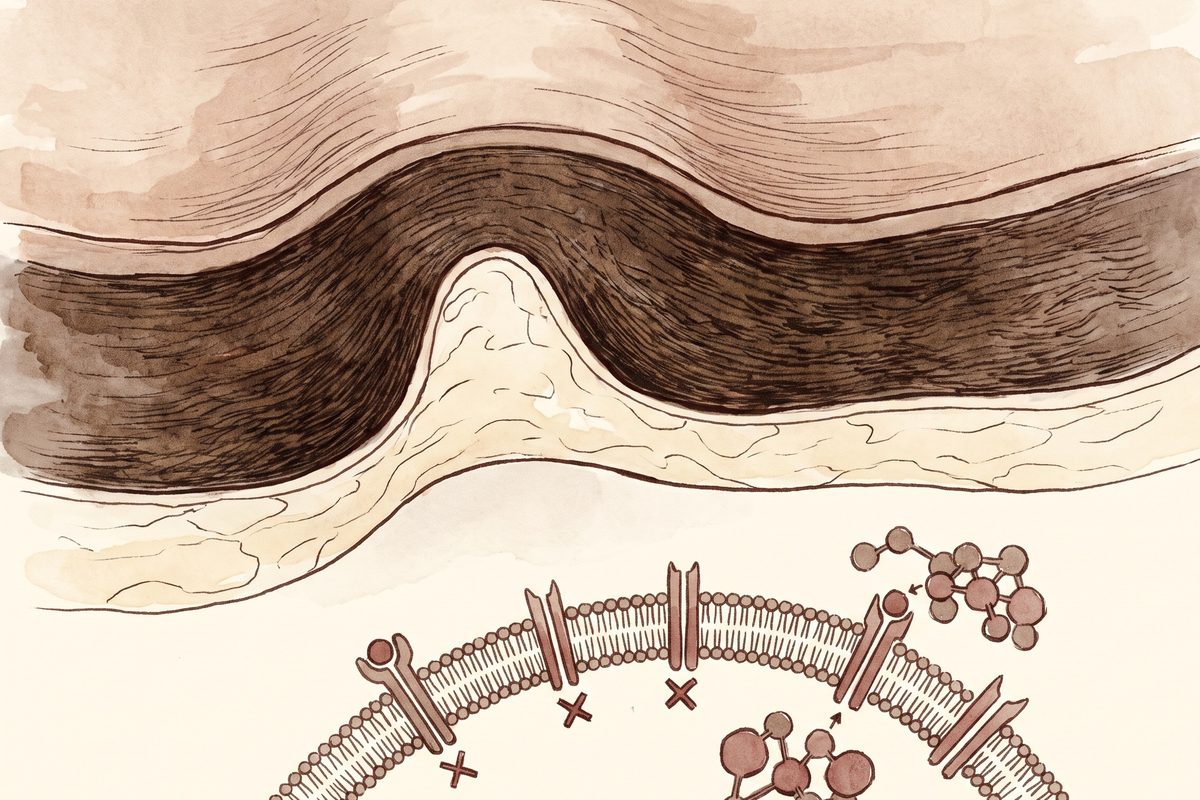
DermNet describes the usual mechanism. When the body is resistant to insulin, it makes more of it, and high insulin levels act on skin cells and prompt them to grow and thicken. The result is the darker, velvety patch. In plain terms, the skin is reporting something about metabolism.
In Malaysia this is a common backdrop. The National Health and Morbidity Survey 2023, as reported by CodeBlue, found 54.4 per cent of adults overweight or obese, up from 44.5 per cent in 2011. Excess weight and insulin resistance travel together often, and acanthosis nigricans tends to travel with both.
Two studies of young people show the link in numbers. In a case-control study from Sheffield, 94 young people with acanthosis nigricans were compared with 94 matched peers with obesity alone. Median fasting insulin was 215 pmol/L against 126, and median HOMA-IR was 6.4 against 3.7. In a study of 139 overweight adolescents, those with the skin change had higher insulin and HOMA-IR than those without. Both studies were in children and adolescents, so they show the association and do not tell an adult what their own result will be. The adolescent study also found that how extensive the darkening looks did not predict how resistant the body was.
What else can cause it?
Insulin resistance is the commonest link, not the only one. DermNet lists medicines by class: oral corticosteroids, oral contraceptives, some topical products, and some antipsychotic medicines. It also lists hormonal causes, including polycystic ovary syndrome. If the skin changed after starting a medicine, say so at the consultation, and do not stop a prescribed medicine on your own. The American Academy of Dermatology notes that changing a medicine may be an option.
There is one rare cause that deserves a plain sentence without alarm. DermNet describes a paraneoplastic form, linked mostly to cancers of the digestive tract, which typically appears abruptly in a middle-aged adult who is not overweight. It is uncommon. If dark, velvety skin appears suddenly and spreads in an adult, see a doctor promptly. That is the same advice as for any new, fast skin change.
Which tests might a doctor ask for?
Acanthosis nigricans is mainly diagnosed by looking, with the history and an examination. DermNet notes that a skin biopsy is sometimes done when the diagnosis is uncertain. Beyond the skin, a doctor may check blood sugar, for example a fasting glucose or an HbA1c, and may look at other results depending on your history and examination.
Two cautions. A skin sign cannot diagnose diabetes, and neither can an article. And a normal first result is not a permanent all-clear. The American Academy of Dermatology points out that the skin change may signal pre-diabetes, which is the stage where there is still the most room to act.
What improves it?
The honest answer starts with the cause. DermNet lists weight loss and insulin-lowering medicine among the measures that address insulin resistance, and changing the responsible medicine where a medicine is the trigger. When the cause eases, the skin can improve, though how much and how fast varies and cannot be promised.
For the colour itself, DermNet lists cosmetic options by class: keratolytic agents such as salicylic acid, topical retinoids, laser and dermabrasion. These act on the skin surface and not on the cause, so the patch can return if the cause is untouched. Which of them suits a given person is a decision for a doctor after assessment, and several are prescription or procedure matters, so this article names no product.
Where weight is part of the picture, the medical weight management page describes where that is assessed at the clinic: a doctor-led pathway that begins with a medical assessment, a history, an examination and usually blood tests, and where nothing is prescribed at that first stage. Medicines are prescribed only where the indication supports them.
What should you avoid?
Avoid scrubbing, and avoid bleaching creams of unknown content. Skin-lightening products sold without a clear ingredient list may contain mercury or other undeclared ingredients, and a cream cannot reach the cause of the patch. The guide on how to check a whitening cream in Malaysia sets out how to verify a product before it goes on your skin.
Underarm and neck darkening has several different causes, and not all of them are acanthosis nigricans, so the first step is to have the patch looked at. Skin that is darker from friction, shaving, or a deodorant reaction is a different problem with a different answer. A doctor can usually tell them apart at an examination.