
Quick answer
PicoSure tattoo removal is offered at The Retreat Clinic in Setia Alam and performed by Dr Ong Jin Khang. Studies of picosecond lasers report 1 to 10 sessions, mostly for black and blue ink, with more for multicolour, dense, layered or darker-skin work.
- Why picosecond: pulses short enough to break ink into fragments the body clears, with less heat reaching the skin around it.
- Sessions: 1 to 10 in the trials, spaced 4 to 8 weeks apart; one 755 nm trial averaged 4.25.
- Colours: black, blue and green have the most evidence at 755 nm; red, orange, yellow and skin-tone inks are less certain.
- Risks: blistering, pigment change, scarring, and darkening of some cosmetic inks, so a test spot comes first.
Does The Retreat Clinic remove tattoos with PicoSure in Setia Alam?
Yes. Dr Ong Jin Khang removes tattoos with the clinic's PicoSure laser, after an assessment of the tattoo and the skin. The PicoSure page says selected tattoos are assessed case by case, because colour, depth and age all change how a tattoo responds. This article sets out what the studies show, so the visit can start from the right questions.
Why is a picosecond laser used for tattoo removal, and what do the trials show?
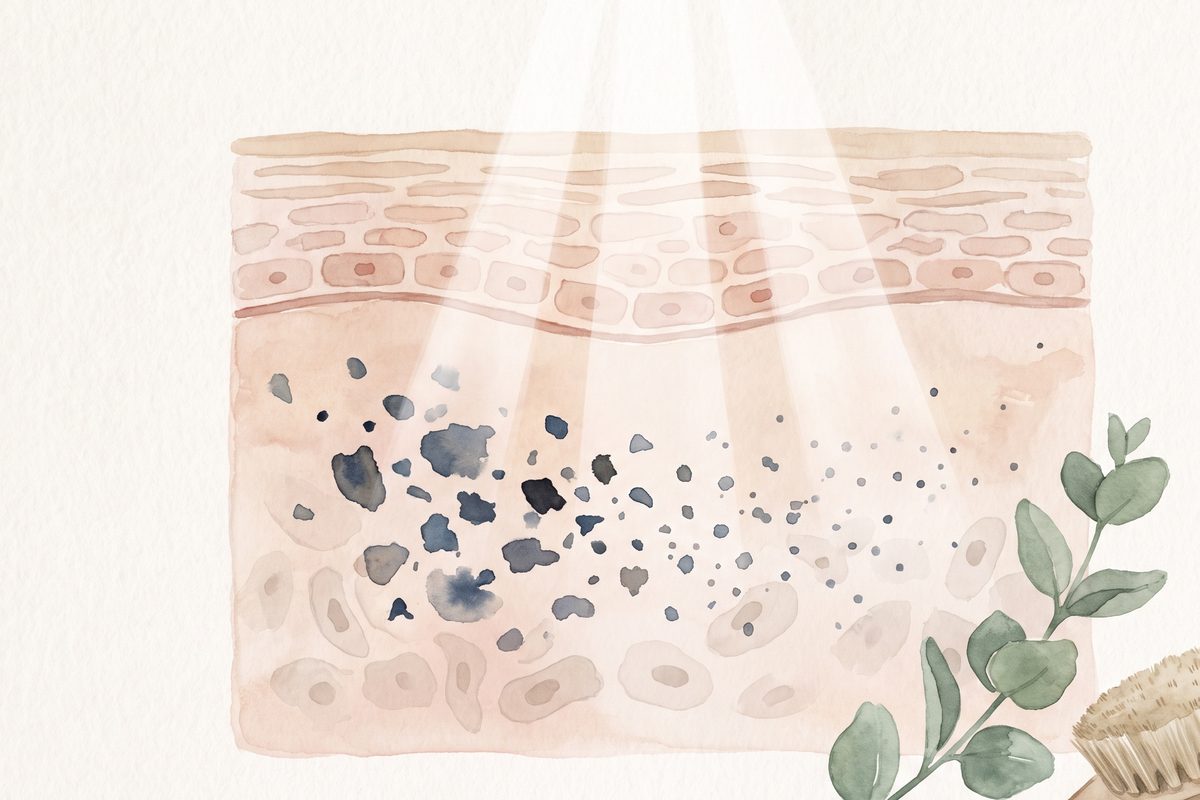
Because the ink particles are very small, and a pulse measured in picoseconds can act on them before heat spreads. A systematic review notes that tattoo pigment particles have a thermal relaxation time under 10 nanoseconds, so a nanosecond pulse is already longer than they hold heat for. A picosecond pulse is a thousand times shorter, so it should break the ink into fragments with less warming of the skin. The body then clears the fragments over the following weeks, which is why sessions are spaced. How a picosecond laser works covers the mechanism and its limits.
Whether that translates into better results is where the wording matters. The studies report the following, and none of them is a promise for your tattoo.
| Study | Design | What it reported |
|---|---|---|
| Reiter 2016 | Systematic review, 8 trials | 69 to 100% of tattoos over 70% clear after 1 to 10 treatments, mostly black and blue; sparse evidence over nanosecond lasers |
| Wu 2025 | Meta-analysis, 971 patients, pigment disorders and tattoos | Tattoo-type clearance risk ratio 1.39 (0.99 to 1.94), less pain, less pigment change |
| Kono 2020 | 11 Asian patients, 37 tattoos, both laser types on each | Picosecond more effective on multicolour tattoos; pigment darkening 5.4% with both |
| Saedi 2012 | 12 completed, 755 nm picosecond alexandrite | All over 75% clear; average 4.25 treatments |
Read together, studies report that picosecond lasers clear tattoos at least as well as nanosecond ones, with signs of an edge that the Wu meta-analysis could not fully confirm, since its confidence interval reaches 0.99. Most trials were small and several were not compared head to head. The Kono trial is the nearest to a head-to-head test, treating the same patient with both lasers, but it used 532 and 1064 nm lasers, not the 755 nm wavelength.
How many sessions does tattoo removal with PicoSure take, and how far apart?
Between 1 and 10 in the trials, usually spaced about four to eight weeks apart. The Reiter review found 69 to 100% of tattoos more than 70% clear after 1 to 10 treatments. In the 755 nm picosecond alexandrite trial, all 12 completing patients reached over 75% clearance, nine of them within 2 to 4 treatments, and the average was 4.25, with sessions 6 plus or minus 2 weeks apart. The Kono trial used four treatments at four-week gaps, and the Kirby-Desai scale assumes 6 to 8 weeks.
The gap exists so that the body can clear the fragments, and it is why tattoo removal is a course and not a visit. What to expect from PicoSure sessions covers how a session runs, and any figure here is a study average and not a plan for your skin.
What changes the number of sessions?
Six things, according to the Kirby-Desai scale: skin type, location, colour, amount of ink, scarring and layering. It came from 100 patients and correlated with the sessions needed at 0.757, though it was built on Q-switched lasers and not on PicoSure.
On the sources read: a tattoo on the head or neck scores lowest and one on a hand or foot highest. Many colours and dense ink need more than a simple black outline. Amateur tattoos tend to respond sooner than professional ones, because they usually hold less ink. Layering, such as a cover-up over an older tattoo, adds sessions. In higher Fitzpatrick skin types, operators use lower settings and longer waits to limit side effects, which stretches the course, and types 5 and 6 carry a higher scar incidence. Age of the tattoo and its depth also matter, and the PicoSure page says so, but the sources read give no figures for them.
Which tattoo colours respond to PicoSure, and which are stubborn?
Black, blue and green have the most evidence. Seven of the eight trials in the Reiter review used black and blue ink, and a series of 12 tattoos with blue or green pigment, treated with the 755 nm picosecond alexandrite, reported at least 75% clearance of that pigment after one or two treatments, with the authors asking for more studies.
Colour response depends on wavelength. In the Kono trial, 1064 nm was stronger on black, and 532 nm stronger on red and green. Red is therefore a colour to ask about, and the studies read here give no 755 nm figures for red, orange, yellow or skin-tone inks. So for a tattoo with those colours, ask directly which wavelengths are available and what is expected of that colour. Stubborn does not mean impossible, only less predictable.
Does PicoSure tattoo removal hurt, and what is the aftercare?
It is felt, and the trials report pain, swelling and sometimes blistering. A meta-analysis found pain scores between 1.5 and 5.61 out of 10 with picosecond lasers against 1.0 to 7.9 with nanosecond lasers, and less pain with picosecond. In the 755 nm trial the pain settled straight after the session, and swelling and blistering settled within a week.
Aftercare follows from that: keep the area clean, leave blisters and scabs alone, and protect the skin from the sun, because tanned or inflamed skin is more likely to change colour. Details differ by laser and skin, and the clinic's own instructions apply.
What are the risks of laser tattoo removal in Malaysia?
Pigment change, scarring, texture change, blistering and an allergic reaction to the released ink. Post-inflammatory hyperpigmentation was 21.6% to 35.1% in the Kono trial of Asian patients, lowest with the 1064 nm picosecond laser, and the meta-analysis found it more obvious in Asian than European patients, though less with picosecond lasers. Pigment laser side effects on Asian skin sets that risk out.
Ink fragments can also provoke an allergic reaction, which is why a rash or itching in the tattoo after a session is reported to the clinic.
Paradoxical darkening matters most for cosmetic tattoos. Brow embroidery or lip blush inks containing white or flesh tones can turn darker instead of fading, and Kono saw darkening in 5.4% of tattoos with every laser type, picosecond included. A test spot first is the usual precaution, and the full account is in laser tattoo and eyebrow embroidery removal.
Who should wait before PicoSure tattoo removal?
Anyone who is pregnant, has an active skin infection in or near the tattoo, has a recent tan, or tends to form keloids. These are general precautions, not a list from one trial. Pregnancy is usually a reason to wait. Infected or broken skin heals poorly, and a tanned patch behaves like darker skin and risks pigment change. A tendency to keloid scarring, or a previous raised scar, needs discussing first. Everyone gets the same check: is it ink, or a mole inside the tattoo that needs examining before any laser?
What decides the fee for tattoo removal in Malaysia?
The number of sessions, and what drives that number: size, colours, ink density, layering and skin type. Larger and multicolour tattoos need more sessions, so the fee is a course and not a single figure. The device, the doctor and any test spot also count. What decides a PicoSure fee sets out the parts, and the assessment is where the likely number of sessions is first discussed.

