
"Pigmentation" is a symptom, not a diagnosis
People search for pigmentation treatment in Setia Alam as if there were one problem and one machine. There is not. The brown patch you see in the mirror could belong to any of five different families, and treating the wrong one is how a face ends up darker than it started.
So the first visit is mostly looking, asking and naming. The treatment comes after, and sometimes it is a cream and a bottle of sunscreen.
Five things that get called pigmentation
Melasma. A symmetrical patch with irregular edges, most often over the cheeks, forehead, nose and upper lip, that darkens with sun, heat and hormones. It is a chronic condition. Why the Malaysian climate changes the disease covers the mechanism, and I will not repeat it here.
Sun spots (solar lentigines). Separate, flat, sharply edged marks of fairly even colour from years of sun. DermNet NZ calls them benign, and treatment is optional unless you want them gone.
Post-inflammatory hyperpigmentation. The dark mark left after acne or any injury to the skin. In richly pigmented skin it appears more often and lasts longer, and pushing it hard can make it worse, as acne dark marks in Malaysian skin explains.
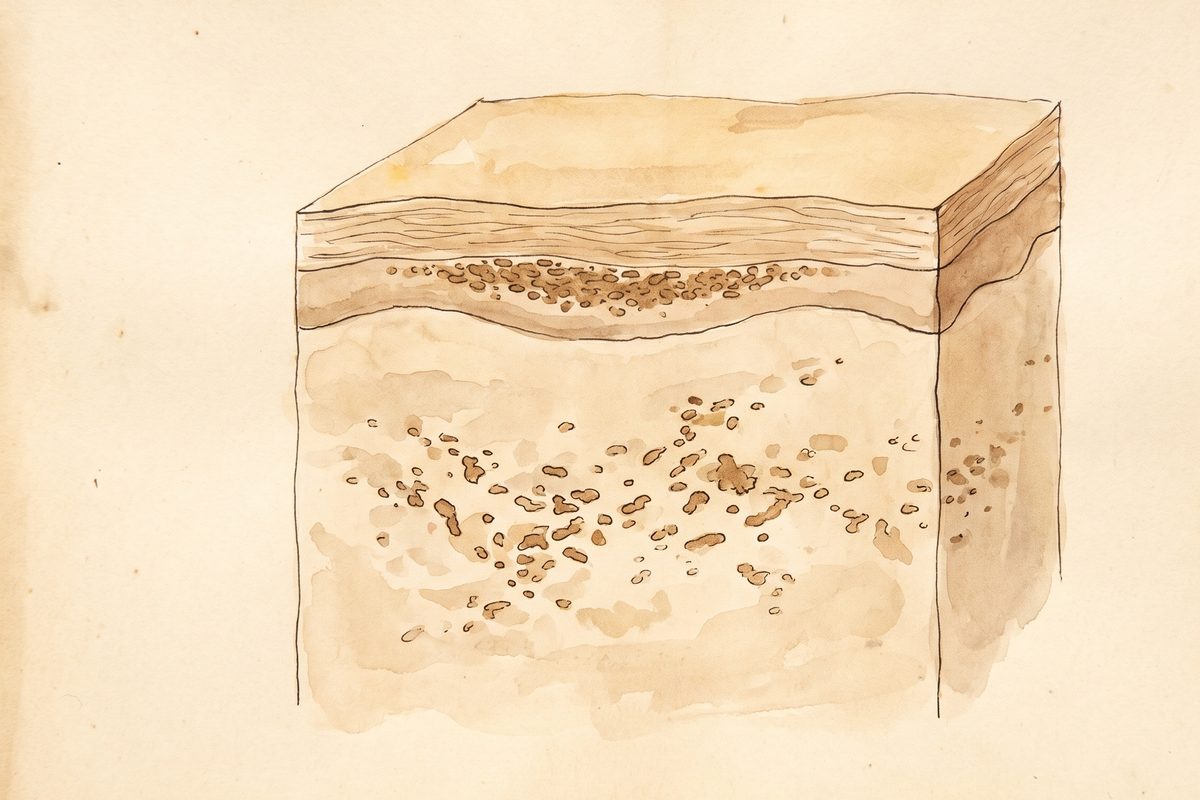
Dermal pigment: Hori's naevus and naevus of Ota. Grey-brown or blue-grey spots because the pigment sits deeper in the skin. Hori's naevus is a scatter on both cheeks and is often mistaken for melasma, and how to tell the three apart sets out the differences. A naevus of Ota is usually one sided around the eye, and it comes with a yearly eye pressure check, which the clinic's naevus of Ota article explains.
A lesion that is not a pigment target at all. A mole, or a spot on the eyelid, that is changing in size, shape or colour. DermNet NZ notes that a biopsy is needed when the diagnosis is uncertain or malignancy is suspected. This clinic does not diagnose or treat skin cancer, so such a lesion is referred to a dermatologist, who may biopsy it, and nobody should point a pigment laser at it. The clinic's article on the eyelid lesion that is not a pigment target gives the signs to watch for.
What the doctor checks first
History comes before any device. Has it been there since pregnancy, or since starting or stopping hormones? Does it darken with sun or heat? When did it first appear, and does it come and go? What has been tried, and did anything make it worse? A patch that got darker after a previous laser or peel tells the doctor a lot about what not to do next.
Then a proper look in good light, and a Wood's lamp or dermatoscope where it is useful. DermNet NZ notes that under a Wood lamp the epidermal type of melasma becomes more obvious while the dermal type does not, which helps set expectations. A phone filter does none of this.
Skin type is part of the check. Most Malaysian skin sits around Fitzpatrick types III to V, which tans easily and answers heat or injury by making more pigment. That is the reason the risk of a darker patch after treatment is taken seriously here.
Why the plan differs: sunscreen and creams first for melasma
For melasma, the American Academy of Dermatology says treatment usually starts with sun protection and topical creams. DermNet NZ adds year-round broad-spectrum sunscreen, a wide-brimmed hat, and a prescription topical combination as the standard approach. In practice that means daily sunscreen (a tinted, iron oxide kind is worth asking about), and prescription topical treatment chosen for your skin, which may include hydroquinone, a retinoid or azelaic acid. These are doctor-prescribed after assessment, not something to start from a shopping list.
Tranexamic acid, as tablets, creams or injections, is a further step for some people and not for everyone, since the tablets carry a clot risk and need screening. It is a prescription treatment, and tranexamic acid for melasma sets out what the studies show.
A laser comes later, if at all. Energy applied to melasma that is active can inflame the pigment cells and leave the patch darker, which can laser make melasma worse explains in full. DermNet NZ likewise warns of a high risk of relapse after laser and peels.
Where a pigment laser helps, and where it does not
PicoSure, the picosecond pigment laser used at The Retreat Clinic, is aimed at pigment, and it fits best where the target is a discrete mark: sun spots and freckles are the usual examples. Dermal pigment such as Hori's naevus and naevus of Ota is also laser-responsive, though it needs several sessions, and a naevus of Ota can recur. Which laser setting suits which face is decided after the diagnosis, never before.
It does not fit active melasma as a first move, it is not a treatment for acne marks that are still inflamed, and it does nothing for an undiagnosed mole or eyelid lesion. The clinic does not offer IPL, vascular laser, fractional CO2 laser or whitening drips, so none of those will be offered as a shortcut. Even a well-chosen laser can leave a darker or paler patch in skin like ours, and a plan accounts for that.
Why pigmentation comes back, and what maintenance means
A pigment laser clears pigment already laid down. It does not switch off the cells that make it, so they restart when the old signals return: sun, heat, hormones and inflammation. The AAD says melasma cannot be permanently cured and often returns when the skin is unprotected outdoors, and DermNet NZ makes the same point about relapse. Why pigmentation comes back goes through the three signals.
Maintenance therefore means the dull, daily things: sunscreen reapplied through the day, shade in the hottest hours, a gentle routine, and a topical plan held at the lowest level that keeps things steady. It is the part of the plan that keeps the result.
The honest part
Nobody can promise a clear face. Melasma in this climate is a determined condition, and some patches will lighten and come back. Hormones, pregnancy and a hot week can all undo months of work.
What a first visit can promise is a name for what you have, an explanation of why the plan looks the way it does, and a plain statement of what is and is not worth doing. Sometimes the answer is cream and sunscreen now and a laser later. Sometimes it is a referral. The clinic is in Setia Alam, about five minutes from Setia City Mall, by appointment, and the visit page has the details.
A diagnosis should come before any laser or cream.