
What must be in the room before any injection?
Four things. A registered doctor who is there in person. Premises registered as a private medical clinic. An emergency kit that matches the risk of what is being injected. And a product with a registration you can search. The Ministry of Health frames the first three as the "3P" check, the procedure, the practitioner and the premises, with a public lookup for each. The product is the fourth check, and it has its own registers.
The reason to set this out now is a CodeBlue opinion piece published on 23 October 2026. Its author, a family medicine specialist, writes that beauty salons are offering "stem cell" and "regenerative" treatments, describes complications that include severe skin infection, scarring and skin necrosis, and argues that a salon lacks the emergency drugs and medical training needed to save a life. It is one doctor's opinion about a pattern, and this article names no business either. The checks below let any reader test any room.
Is a doctor actually there, and how do I check?
Start with the name. The Malaysian Medical Council's MeRITS register lets you search for a registered doctor, and the guide to checking an aesthetic doctor walks through reading the result, including the annual practising certificate. Then check the Letter of Credentialing and Privileging (LCP), which the Ministry publishes as lists for general practitioners, specialists and surgeons.
A register tells you the person exists. It does not tell you the person is in the building. Ask who will do the injection, and whether that doctor stays on site for the whole visit. The Ministry also sets out which aesthetic procedures only a doctor may perform, so an injection offered by anyone else is a question to ask before you sit down.
How do I check the premises?
A clinic that offers aesthetic services is registered as a private medical clinic under the Private Healthcare Facilities and Services Act 1998 (Act 586). The Ministry's aesthetic medical practice page links a list of premises registered for aesthetic services, and the regulation guide sets out which law and which register covers each part of a visit.
Two limits are worth knowing. A published list is only as current as its last update, so if a name is missing, ask the clinic about it directly. And a registered premises says nothing about who is holding the syringe, which is why the doctor check comes first.
What emergency kit should a clinic have?
The Ministry of Health's FAQ for private medical clinics sets a minimum for emergency drugs: atropine, adrenaline, normal saline and 50 per cent dextrose. The other equipment it lists includes an emergency call system, oxygen, airways and a manual breathing bag. That list applies to private medical clinics in general, so it is a minimum for every clinic and says nothing specific to one procedure.
Adrenaline matters because anaphylaxis, a severe allergic reaction, is treated first with an injection of adrenaline into the muscle, according to the World Allergy Organization's 2020 guidance. The point of a kit is that it is already there on the day anyone needs it, and that the person injecting knows how to use it.
Why does filler need something extra?
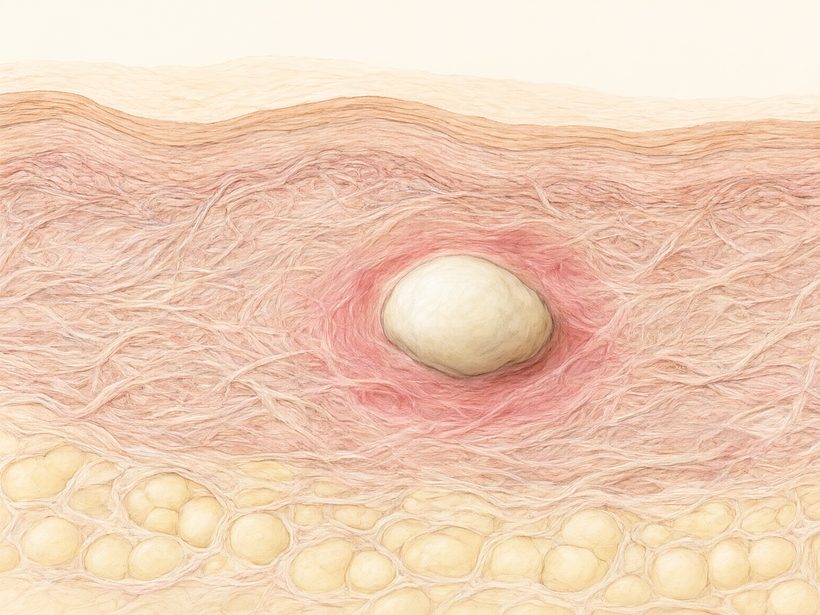
Hyaluronic acid filler can, rarely, block a blood vessel. A 2021 guideline calls the outcomes of such a blockage potentially devastating and says the clinician must be able to recognise it and act. Published consensus advice for a suspected blockage puts speed first: prompt treatment with hyaluronidase, the enzyme that breaks hyaluronic acid down, with better outcomes usually seen when treatment starts within 24 hours. Hyaluronidase is not on the Ministry's minimum emergency list above, so for filler it is reasonable to ask whether the clinic keeps it and who is trained to use it.
Some emergencies leave the clinic. If vision changes after filler, the 2021 consensus on filler-related vision loss says to arrange immediate transfer to an emergency department or an ophthalmology setting. The FDA lists the same urgent signs for patients: vision changes, unusual pain, and skin that turns white, grey or blue. The slower problems are covered in the filler complications article.
How do I check the product?
A medicine such as botulinum toxin carries a MAL registration number and a hologram label, and it can be searched on the NPRA product search, as the Ministry's pharmacy service explains. The search page warns that a result applies only on the date and time of the search. A hyaluronic acid filler is generally a medical device, and the Medical Device Authority's public register states that a device missing from its results is unregistered, expired, suspended or cancelled. Both checks are set out step by step in how to check a toxin, filler or skinbooster, and creams and pens are in the KKM check for creams, injections and slimming pens.
A word such as "regenerative" is a description in an advertisement. A registration number can be searched. The same applies to exosome injections, where the checks come first.
What does a pass on all four still leave out?
The treatment itself. A registered doctor in a registered clinic with a registered product can still be the wrong place for a treatment you do not need, which is why a consultation and a diagnosis come before any injection, and why some visits end without one.
The room should be ready for the worst day, even when the visit is an ordinary one.