What is keratosis pilaris, and why does it look like chicken skin?
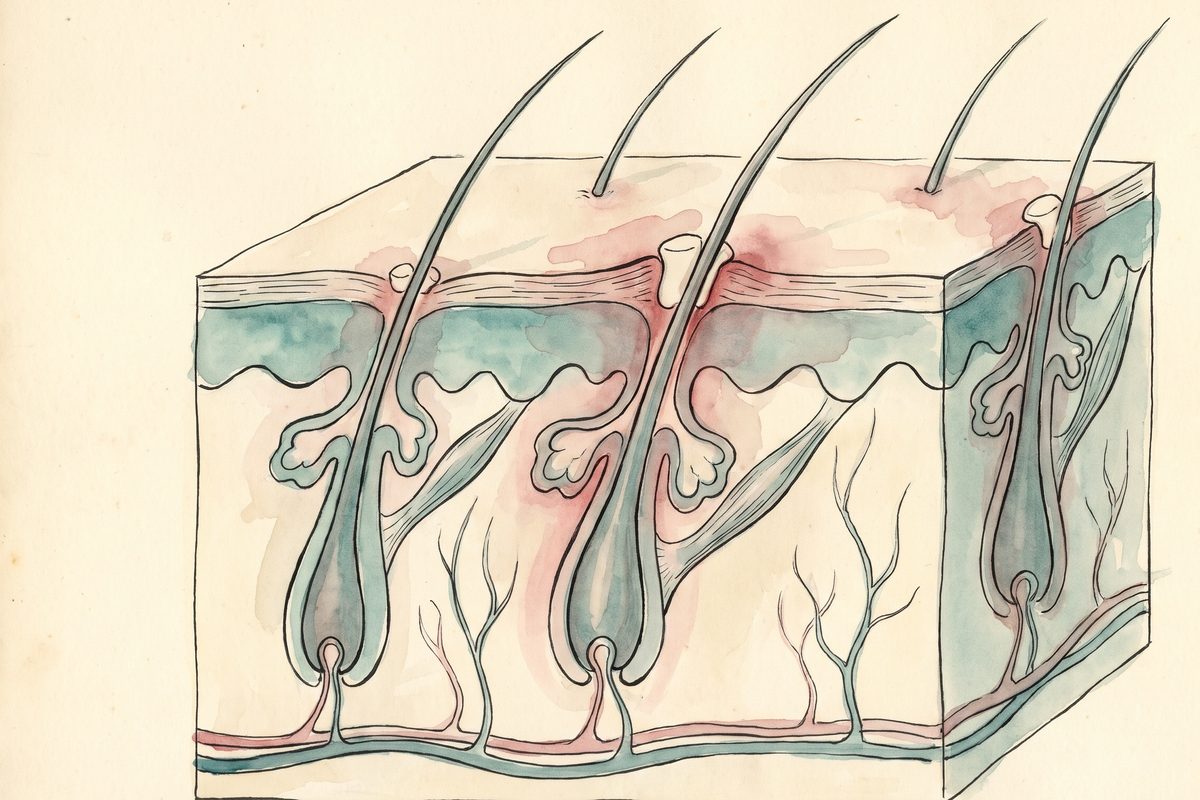
Keratosis pilaris is a condition in which keratin, the protein that makes up the outer layer of skin, builds up and plugs the opening of hair follicles. Each plug forms a small, dry, rough bump, and a patch of them gives the goosebump or plucked-chicken look that gives it its nickname. DermNet describes the bumps as skin-coloured, red or brown, on the outer surfaces of the upper arms and thighs, sometimes with dry skin and a little itch.
It is harmless, and the NHS describes it as common. It is not contagious.
Who gets keratosis pilaris, and is it inherited?
It tends to run in families. DermNet suggests an inherited pattern linked to changes in the filaggrin gene, the same protein involved in a weak skin barrier and atopic eczema. It also goes with atopic eczema and with ichthyosis, a group of dry-skin conditions. DermNet gives estimates of 50 to 70 per cent of teenagers and 40 per cent of adults, which is a general figure rather than a Malaysian one.
It usually appears in childhood and is most noticeable in the teenage years. Many people find it improves with age, and DermNet says it often clears up during adult life.
What helps keratosis pilaris?
The basics do most of the work. The NHS advises regular moisturiser, gentle unscented soap, cool rather than hot baths, and light exfoliation with a washcloth. The AAD adds that a moisturiser with urea or lactic acid works best applied within minutes of bathing, while the skin is still damp. Salicylic acid is the other common ingredient, and DermNet lists all three. A 2025 systematic review of 27 studies found lactic and glycolic acids were the preferred topicals.
For bumps that stay rough, a doctor can prescribe a topical retinoid, which acts on how skin cells shed and plug the follicle. Retinoids can irritate the skin and are discussed in the skin cycling article, and the NHS advises avoiding them in pregnancy and when planning a pregnancy. A short course of a mild topical steroid can calm redness or itch, as DermNet and the AAD note. Expect weeks rather than days: the AAD gives 4 to 6 weeks, and the bumps tend to return when treatment stops.
Why does scrubbing make keratosis pilaris worse?
Scrubbing feels logical, because the bumps feel like something to rub off. The plug sits inside the follicle, so a scrub removes surface skin while the plug stays. Harsh scrubbing also irritates the skin, which can add redness, and on brown skin irritation can leave dark marks that outlast the bumps. The NHS advises against harsh scrubs, hot water and picking, and suggests only light exfoliation with a washcloth.
Chemical exfoliants such as lactic acid do the same job more gently, which is why they are the usual first step.
Can lasers treat keratosis pilaris?
Lasers can reduce redness and sometimes roughness, and the evidence is real but modest. A 2020 review of 17 light and laser studies, covering 175 patients, called devices promising for a condition that still lacks an effective long-term treatment. A 2022 review of 47 studies found laser, notably the Q-switched Nd:YAG, the most supported option. A 2025 review of 27 studies found Nd:YAG consistently favourable, with CO2 laser effective and Er:YAG promising with fewer adverse effects. DermNet lists pulsed dye laser or intense pulsed light for redness and laser hair removal where ingrown hairs add to the problem.
The limits matter as much. The NHS says laser and steroid creams have not been proven effective and can be costly. Results vary between studies, and no laser cures the condition. On Asian skin, lasers carry a risk of darker or paler patches, as set out in the pigment laser side effects article, so settings and the choice of device are a medical decision. The clinic does not list keratosis pilaris as a service.
Does Malaysian weather make it better or worse?
DermNet says keratosis pilaris is more prominent in colder months, when the air holds less moisture. Malaysia has no winter, so the usual dry-air trigger is less common. Air-conditioned rooms and offices are cool and dry, and it is reasonable to think they act in the same direction, but that is an inference rather than a Malaysian study. Moisturising after a shower and keeping showers lukewarm is a sensible habit either way.
Humidity brings its own bumps. Sweat bumps are covered in the heat rash article, and ingrown hairs from shaving can look similar and are covered in the razor bumps article. Bumps with a pus head, pain or spread may point to folliculitis instead.
When should I see a doctor about rough bumps on the arms?
See a doctor if you are not sure what the bumps are, if they are sore, itchy, spreading or have pus, if the skin is also scaly or eczematous, if they sit on the face and look red or scarring, or if self-care has not helped after a couple of months. DermNet notes that in some variants scarring or hair loss can be permanent, which is a reason to have unusual patterns looked at early. A doctor can confirm the diagnosis by examining the skin and set out the options, including the honest answer that no treatment cures it.