There was a gap in my clinic
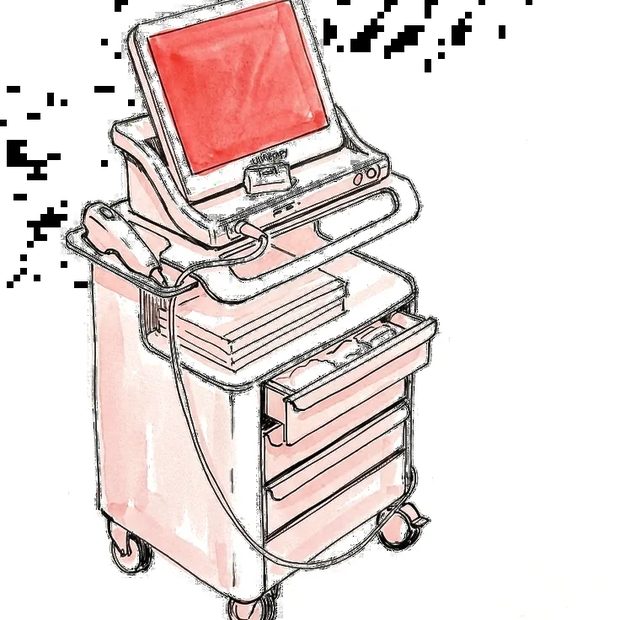
I own an Ultherapy. It puts focused ultrasound in tiny columns at one and a half, three and four and a half millimetres, down to the SMAS, which is the plane a surgeon works in. It reaches structure, and it is very good at that.
What I did not have was anything that heated the whole dermis at once. So when a patient asked me for tightening without the dots, I had nothing to offer her. That gap sat there for years.
Why I stayed away from monopolar radiofrequency
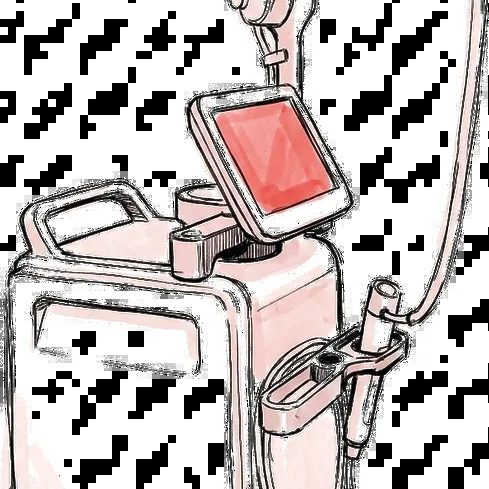
Monopolar radiofrequency was not new. There had been a machine on the market for years and it works, and plenty of patients sit through it without a fuss.
But everything I heard about the category was pain. I am a coward about pain, and it was never going to be me in that chair. So I never went under one, and I never bought one.
That is the honest reason the gap stayed open. Not evidence, not physics. I did not want to be hurt, and I will not sell a patient something I would flinch at.
Then I kept hearing about XERF
Korea in 2024, then America, then Europe. Colleagues overseas kept mentioning it, and it kept turning up in the papers. Two radiofrequency frequencies delivered together, cooling built into the handpiece, and a stream of people online calling it painless.
I did not believe the painless part. Nothing that heats the dermis to a remodelling temperature is nothing. But the rest was interesting enough that reading about it stopped being enough.
Two flights before I signed anything
Nothing was signed before either trip. There was no machine anywhere near my clinic, and no plan to buy one until I knew what it felt like and what it was like to hold.
The same journey, drawn: scroll the map and the route draws itself.
It is not exactly painless
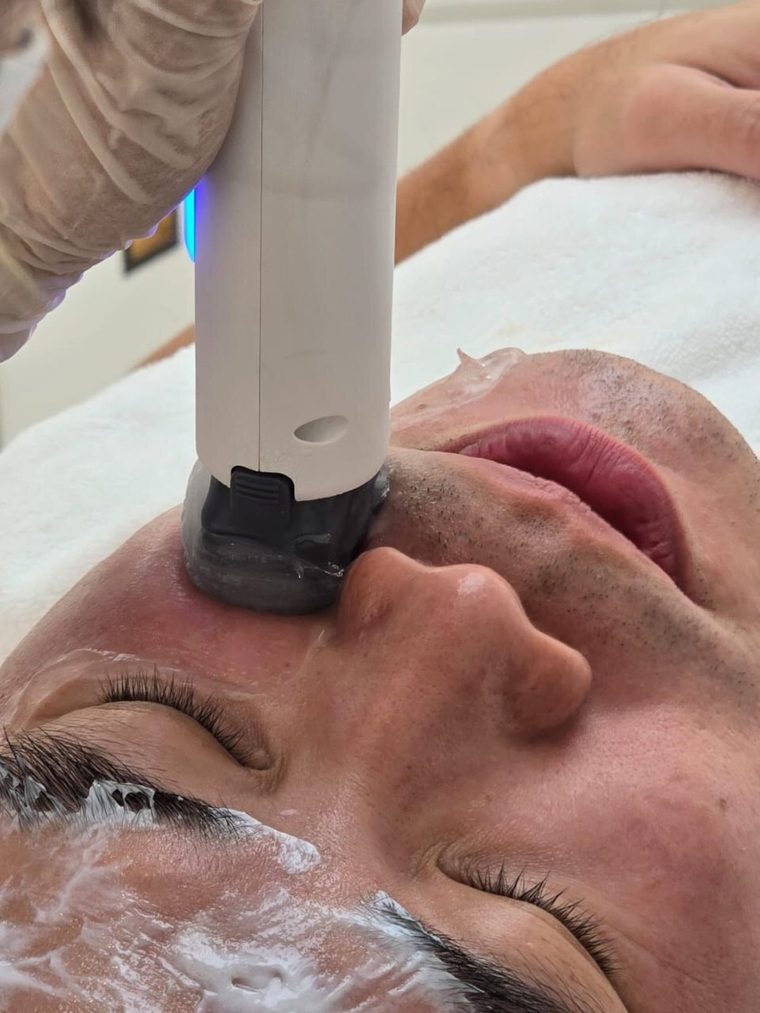
Cooling on. No numbing cream. I would put it at about a three out of ten. You feel the heat arrive through the cooling, it peaks, and then it is gone and the next shot is coming.
That is far more tolerable than I expected, and it is not painless. I would rather tell a patient it is tolerable, because then the heat is no surprise when it comes. Most people need no numbing. That is the honest sentence.
My three is one face. In the published series the average sits closer to 4.3 out of ten, and in one of them about one in eight people found it strongly uncomfortable. If you turn out to be the one in eight, my number is no use to you.
Nothing was instant
I looked every day, the way anyone does. For the first fortnight there was very little to see. At about two weeks, in good light, I could see some tightening along the jaw.
Then it kept improving, slowly, over the months that followed, which is how radiofrequency is supposed to behave. The heat causes immediate collagen contraction, and the rebuilding happens over the weeks after that.
That is one face, my own, in my own mirror. I am not going to dress it up as data.
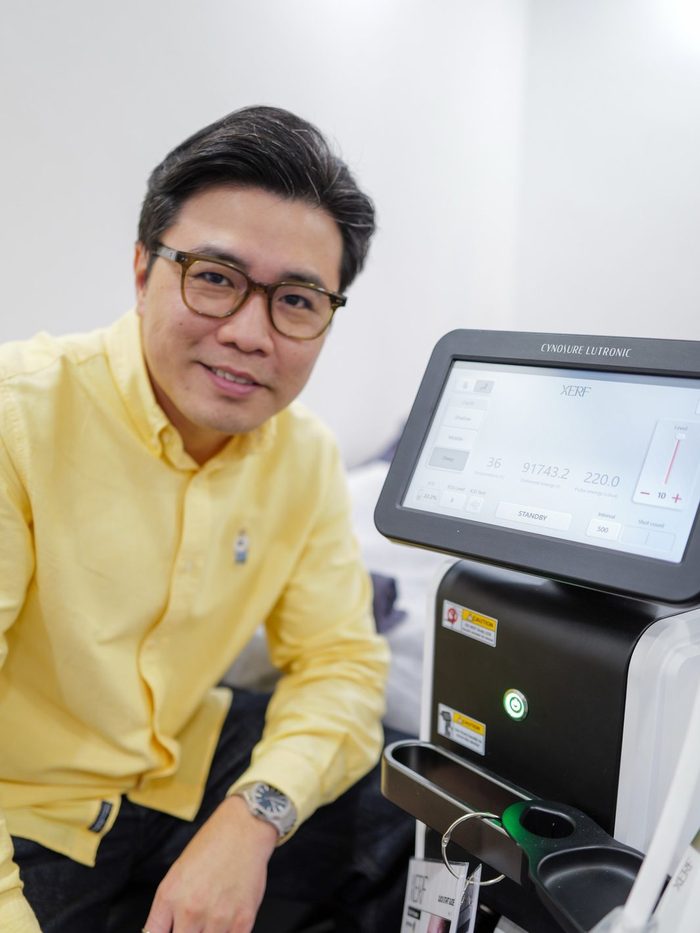
March: Singapore, and two patients
A woman of sixty who had never had an aesthetic treatment in her life, and a woman of forty-five who keeps hers up. Both sat through the machine’s highest setting without asking me to stop.
So the comfort story is real, and it depends on two things: the person in the chair, and how the person holding the handpiece works. Comfort is not only a property of the machine.
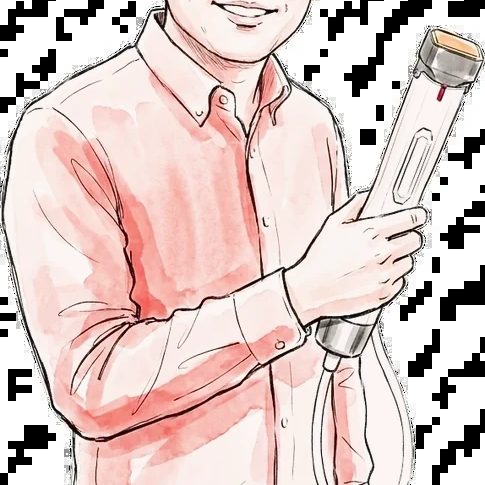
Where it fits beside the machine I already had
This is the question I actually needed answered, and it is the one a patient should ask too. I already owned a device for tightening. Buying a second one only makes sense if it does a different job.
Focused ultrasound puts columns of heat at set depths, down to the SMAS. That is the structure. Monopolar radiofrequency heats the dermis as a field rather than in points. That is the skin. Different jobs, so a face can need one, the other, both, or neither.
In my clinic the order is Ultherapy first for the structure, then XERF four to six weeks later for the skin. Nobody has measured that interval. It is my preference, and I say so.
The part that argues against me: two randomised trials have put monopolar radiofrequency head to head with microfocused ultrasound, once on the face and upper neck and once on the neck, and neither found a difference in laxity improvement, patient satisfaction or adverse events. Owning both is something I have to justify face by face.
What I saw, and what I am not showing you
I photographed both patients on the same imaging rig: day zero, day seven, day thirty, and one of them again at day seventy-nine. I showed those photographs to a hall of doctors on 21 September, with the patients’ consent, and that is where they stay. Consent for a room is not consent for the internet, and I am not going to stretch it.
What I will say in public is what I said about my own face. Change from about two weeks, improving gradually over the months after. On the day itself there is swelling and contraction, which is not a result, and I tell patients that before they go home and look in the mirror.
Day seventy-nine is my longest follow-up. The longest in the published literature is ninety days. Every one of us talking about this device is early.
July: it came home
By the time it was plugged in I had been under it myself, watched it work on two faces that were not mine, and formed an opinion I did not have to borrow from a brochure. Before any patient sat in that chair, I did.
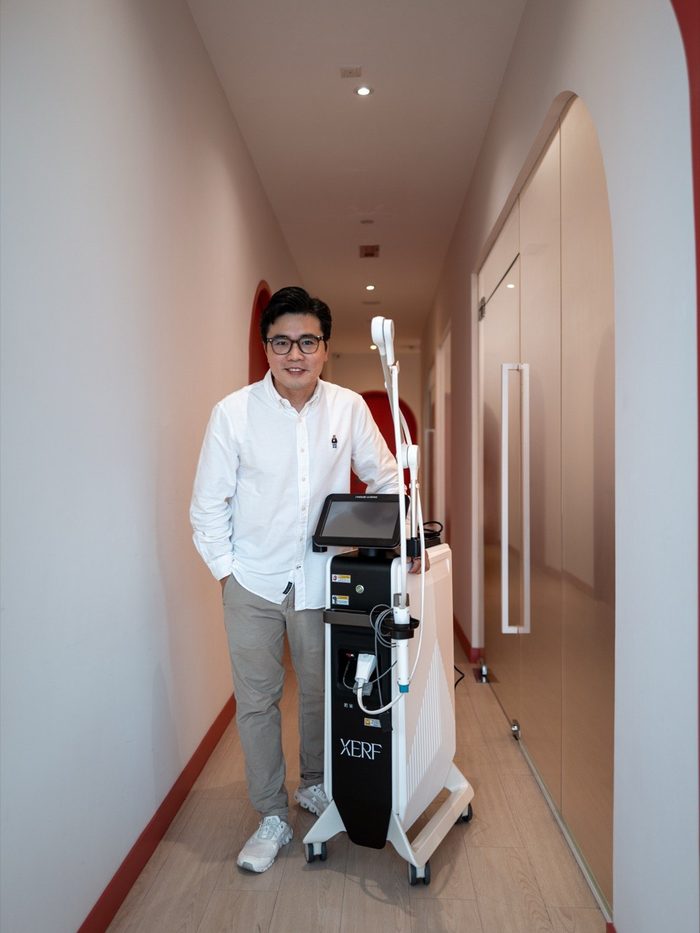
I used to review phones, so I reviewed the machine
One week in I put the same eye on it that I used to put on handsets. The manufacturer was in the room when I read this out, which is the only way a review like this is worth anything.
The build is one of the sleeker things on the market. Compact footprint, the arm feels rock solid, and it is surprisingly smooth to wheel between rooms. The foot pedal is excellent, with proper tactile feedback, and much better than the button on the handpiece. The screen is simple and clean, which is not a given on aesthetic hardware.
Now the other half. The handpiece is lightweight and lovely in the hand, but the little screen on top is almost impossible to see while you are treating, because the handpiece is long and your eye is on the skin. The cables are messy when stowed, and the electrode plate connector is not magnetic and has nowhere to live. The gas canister asks you to type in your own levels instead of detecting them. To reset the energy counter you tap an unlabelled spot on the screen, which first-timers find by trial and error. And the canister takes about ten minutes to warm up.
None of that is a dealbreaker. A version two with a proper screen on the handpiece, auto sensing and tidier cables would be very close to perfect.

Where I stand
Get under a machine and hold it before you buy it. I took two flights before I signed anything and I would do it again.
It hurts a little. Cooling on, most people need no numbing, and tolerable is the honest word. Change from about week two, improving for months, on one face and two patients, so read it as what it is.
It suits mild to moderate laxity, and it suits maintenance on a well-kept older face. It will not put volume back, and it will not rescue advanced laxity. If someone is promising you that, the problem is the promise.